Enchanting Unicorn Flower Watercolor Clipart: A Designer's Guide
The Magic in the Details: Understanding This Clipart Style
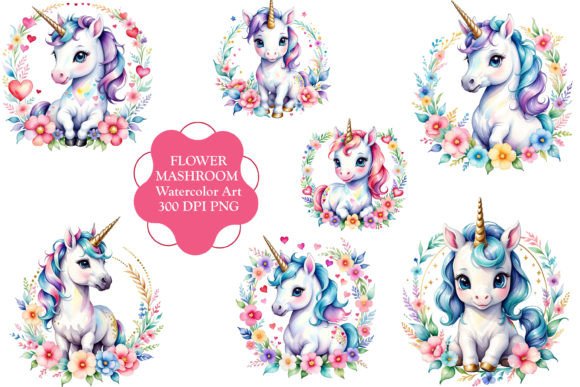
Imagine a design asset that blends whimsy with elegance, fantasy with botanical beauty. That's the core appeal of Unicorn Flower Watercolor Clipart. This isn't just a collection of images; it's a curated aesthetic. The visual characteristics are defined by soft, translucent washes of color that mimic traditional watercolor painting, combined with the iconic silhouette of a unicorn. You'll find flowing manes that dissolve into floral arrangements—think delicate roses, peonies, or wildflowers—creating a seamless fusion of mythical and natural elements. The personality is dreamy, romantic, and slightly nostalgic, making it a powerful tool for projects that need to evoke emotion, wonder, or a touch of fantasy.
What sets this style apart is its inherent versatility. The watercolor effect provides a handcrafted, organic feel that digital art often lacks. This texture adds depth and character, preventing designs from looking flat or sterile. The unicorn element introduces a narrative, a storybook quality that can be adapted for children's products or styled with sophistication for adult-oriented branding. The overall appeal lies in its ability to be both playful and refined, depending on the context and accompanying design choices.
Practical Applications: Where This Clipart Truly Shines
Knowing the aesthetic is one thing; applying it effectively is another. Unicorn Flower Watercolor Clipart excels in specific domains where its unique blend of qualities can be leveraged. In brand identity, it's perfect for businesses targeting a female demographic, those in the wellness, beauty, or stationery industries, or any brand wanting to convey creativity and gentle strength. Think of a logo for a boutique bakery, a header for a lifestyle blog, or packaging for artisanal cosmetics. The clipart becomes a central design asset that establishes a cohesive visual language.
For print and digital projects, the applications are extensive. As noted, the files are prepared for high-resolution output (5000x5000 at 300 dpi), making them ideal for professional printing. This means they work beautifully for editorial design in magazines or lookbooks, for packaging design on boxes and labels, and for social media graphics that need to stop the scroll. For crafters and small business owners, the PNGs are ready for sublimation on mugs, pillows, and apparel. The EPS and AI vector files are a game-changer for vinyl decals, stickers, and engraving projects where clean, scalable lines are essential. It’s a true workhorse for home decor prints, party items, and wall art.
Pairing and Practicality: Making It Work for Your Project
Integrating a detailed, decorative element like this requires thoughtful font pairing and layout strategy. The clipart itself acts as a display font equivalent for graphics—it’s the star of the show. Therefore, supporting text should complement, not compete. Pair it with a clean, sans serif font for modern readability in body copy, or a simple serif font for a more classic, elegant feel. Avoid overly ornate script fonts or handwritten fonts for large blocks of text, as they can clash with the clipart's complexity. Instead, reserve a subtle script for a tagline or accent.
Before committing to a project, always test the clipart in context. Place it on your intended background color or pattern. Check how it looks at the final scale—does the watercolor detail remain crisp? For digital use, ensure the file format supports transparency (PNG) for seamless layering. For commercial use, verify the license permits your intended application, whether it's for physical products or digital templates. The true value of a premium font or asset like this is realized when it enhances your workflow and elevates your final product, turning a simple project into a professional, brand identity-driven piece.
Ultimately, Unicorn Flower Watercolor Clipart is more than a decorative element. It’s a versatile component of modern typography and design systems, offering a bridge between artistic expression and commercial utility. By understanding its visual language and applying it with strategic intent, designers, entrepreneurs, and creators can craft compelling visuals that resonate deeply with their audience, fostering recognition and engagement across every touchpoint.